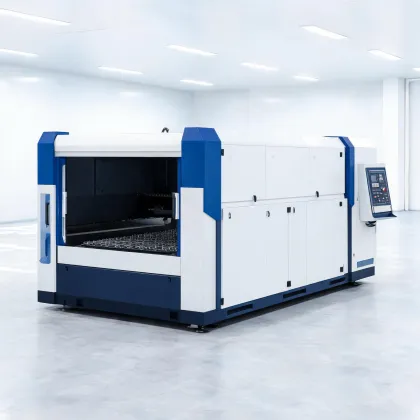
Laser Cutting Machines
For sheet metal capacity plans that need controlled edge quality, uptime visibility, and repeatable nesting results.
Plan fiber and CO2 laser capacity with an engineering team that understands nesting, assist gas behavior, pierce strategy, automation timing, and the realities of fabrication schedules.
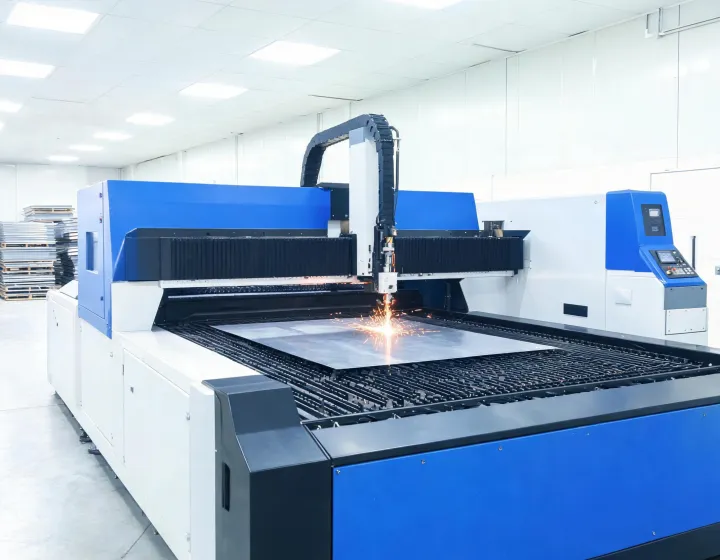
Fast thin-gauge throughput with stable edge quality.
Process continuity for established mixed-material programs.
Loader, tower, and sorting concepts matched to batch rhythm.
Beam, gas, nozzle, and path data kept visible for supervisors.
Amada planning starts with the measurable points that affect payback: material mix, wattage range, bed size, automation path, software handoff, and service coverage.
| Group | Evaluation point | What to verify |
|---|---|---|
| Machine platform | ||
| Cutting envelope | Sheet size and load path | Match 3015, extended bed, or automated tower flow to the real nesting mix. |
| Drive behavior | Acceleration and bridge rigidity | Check small-feature consistency at production speed, not only straight-line maximums. |
| Laser source | ||
| Power range | Fiber and CO2 operating windows | Balance pierce time, edge condition, gas demand, and electrical load for each thickness band. |
| Beam delivery | Optics, nozzle, and contamination control | Confirm service intervals and how operators detect lens or nozzle drift before scrap appears. |
| Production control | ||
| Software handoff | Nesting, work orders, and schedule feedback | Define how cutting data moves between programming, the shop floor, and quality records. |
| Automation readiness | Material loading, unloading, and sorting | Model unattended hours around pallet exchange, part removal, and downstream bending capacity. |
For sheet metal capacity plans that need controlled edge quality, uptime visibility, and repeatable nesting results.
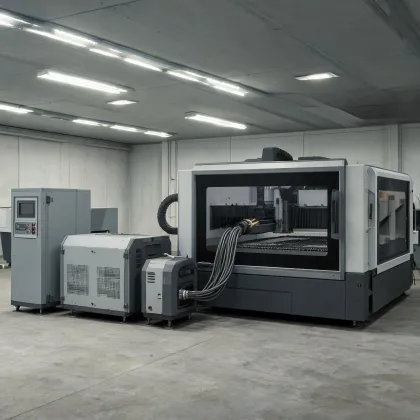
Source choices for mixed thickness ranges, assist gas strategies, and factories transitioning from legacy CO2 assets.
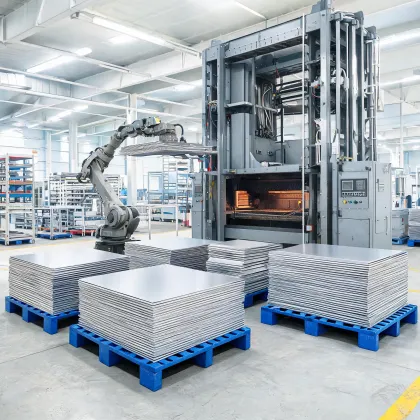
Loader, tower, and shuttle concepts aligned to shift patterns, downstream bending, and operator coverage.
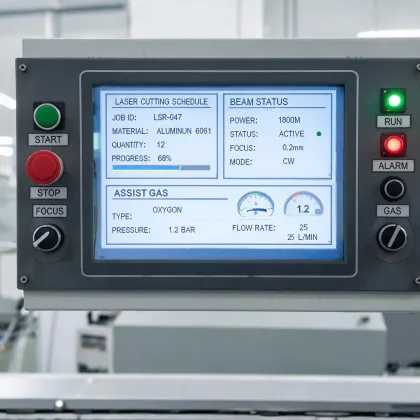
Monitoring and programming discipline for supervisors who need fewer surprises between quote, nest, and shipment.





Start with the current material mix, tolerance bands, maintenance skills, and planned part families, then model energy, gas, and downtime assumptions instead of comparing wattage alone.
Monthly sheet volume, nest density, shift coverage, pallet exchange time, and downstream bending constraints usually reveal whether a compact cell or automated tower creates the stronger return.
Utilities, exhaust, assist gas supply, foundation conditions, network access, and training availability should be confirmed before shipment so commissioning can focus on cutting performance.
A practical plan defines preventive checks, response channels, spare consumables, optics care, and escalation steps for production-critical shifts.
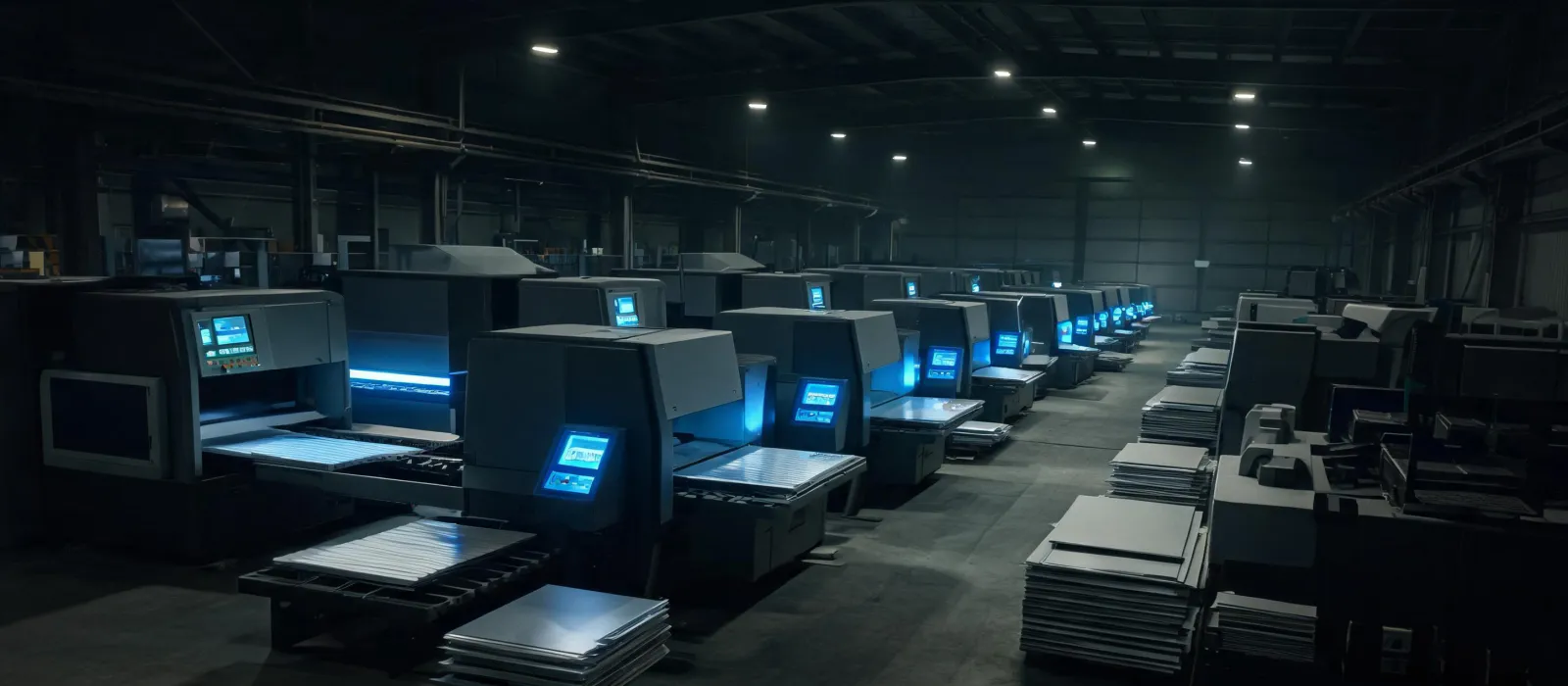
Share your material mix, thickness range, staffing model, and throughput goals. Amada can help frame a machine and automation discussion around your actual shop constraints.